
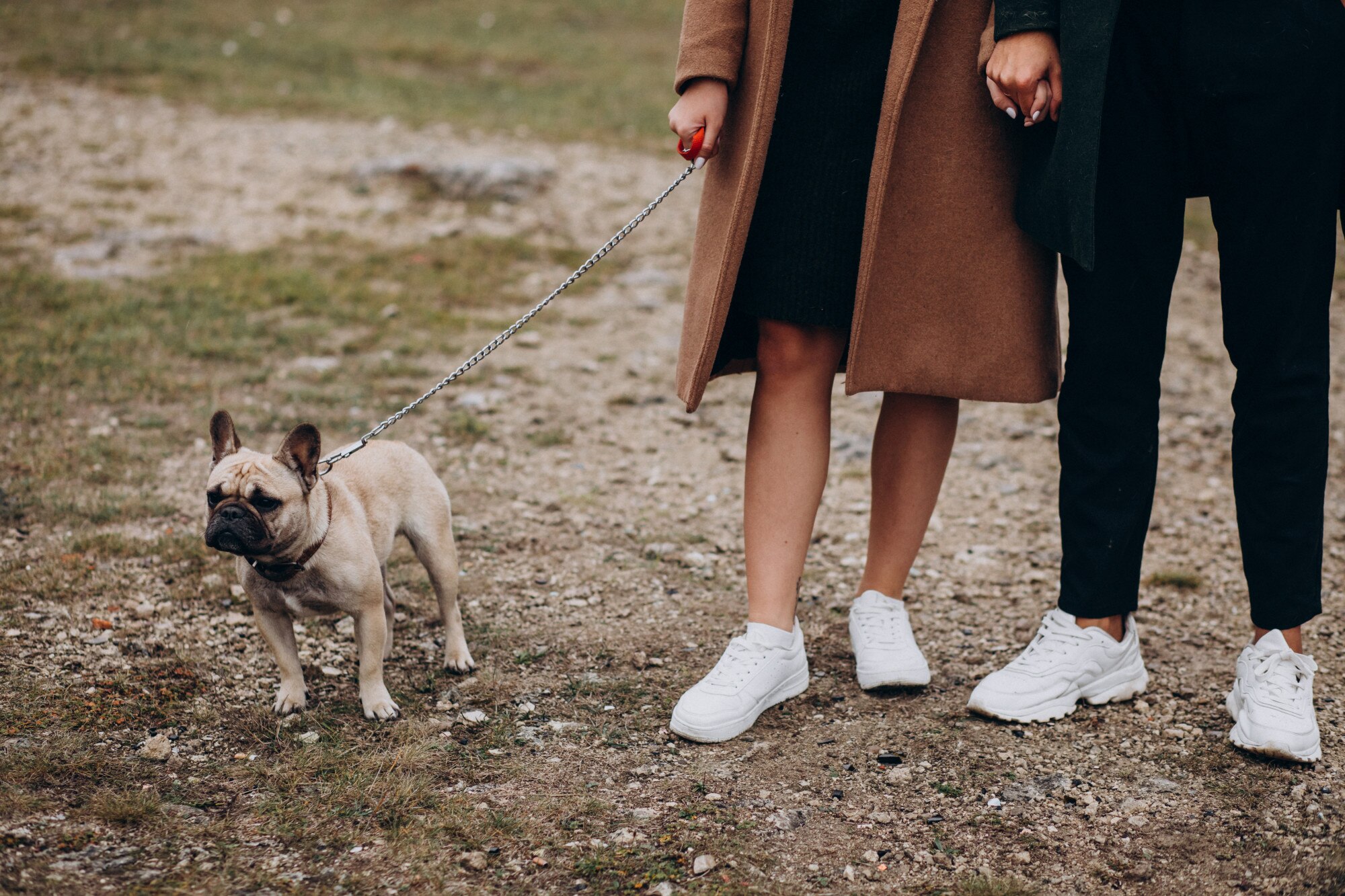
Leash training is one of the most important practical skills a dog can learn, yet it is also one of the most common struggles for dog owners. A calm, controlled walk is not just about convenience—it is also about safety, communication, and building a better relationship between dog and owner. When a dog pulls on the leash, the walk becomes stressful, less enjoyable, and potentially dangerous for both the dog and the handler.
To understand leash training, it is important to first understand why dogs pull. In most cases, pulling is not a sign of disobedience or dominance. Instead, it is usually driven by excitement, curiosity, and natural instinct. Dogs explore the world through movement and scent, and when they see something interesting, their instinct is to move toward it quickly. If pulling has worked in the past—meaning the dog reached something it wanted by pulling—then the behavior is reinforced and becomes a habit.
The first step in leash training is choosing appropriate equipment. A well-fitted harness is often recommended for dogs that pull, especially front-clip harnesses, which help redirect forward motion. Traditional collars can place strain on the neck if a dog pulls too strongly. However, equipment alone does not solve pulling—it simply makes training safer and more manageable.
One of the most effective training methods is the “stop and go” technique. When the dog begins to pull forward and creates tension on the leash, the handler immediately stops walking. The moment the dog returns to a loose leash position, movement resumes. This teaches the dog a clear lesson: pulling stops progress, while calm walking allows it. Over time, the dog begins to understand that staying close to the handler is the fastest way to move forward.
Another effective method is direction change training. Instead of continuing forward when the dog pulls, the handler calmly changes direction. This encourages the dog to pay attention and follow the handler rather than focusing entirely on the environment. Repeated practice helps the dog learn that the owner’s movement determines the walk, not the other way around.
Reward-based reinforcement is essential in leash training. Dogs should be rewarded when they walk beside the handler with a loose leash. Rewards can include treats, praise, or brief moments of freedom. At the beginning of training, rewards should be frequent to clearly reinforce the correct behavior. As the dog improves, rewards can gradually become less frequent but should still be used intermittently to maintain good habits.
Training should begin in low-distraction environments such as a quiet street, backyard, or empty park. These controlled settings allow the dog to focus on learning without being overwhelmed by external stimuli. Once the dog consistently walks calmly in these environments, distractions can be gradually introduced. This process helps the dog generalize the behavior so it works in real-world situations such as busy sidewalks or parks with other dogs.
Consistency is one of the most important factors in leash training success. If a dog is allowed to pull sometimes but corrected at other times, it becomes confused and the behavior is reinforced inconsistently. Every walk is a training opportunity, and rules must remain the same across all environments and handlers.
It is also important to understand that leash training requires patience. Dogs do not learn this skill overnight. Progress may be slow at first, especially for energetic or easily distracted dogs. However, with repetition and consistent reinforcement, most dogs can learn to walk calmly on a leash.
In addition to behavior improvement, leash training also strengthens the bond between dog and owner. When a dog learns to pay attention to its handler, communication improves significantly. Walks become more relaxed, enjoyable, and mentally stimulating for both parties.
In conclusion, leash training is not about forcing control but about teaching communication and cooperation. By using techniques such as stop-and-go walking, direction changes, and positive reinforcement, owners can transform stressful walks into calm and enjoyable experiences. With patience and consistency, any dog can learn to walk politely on a leash and become a more confident and responsive companion.