
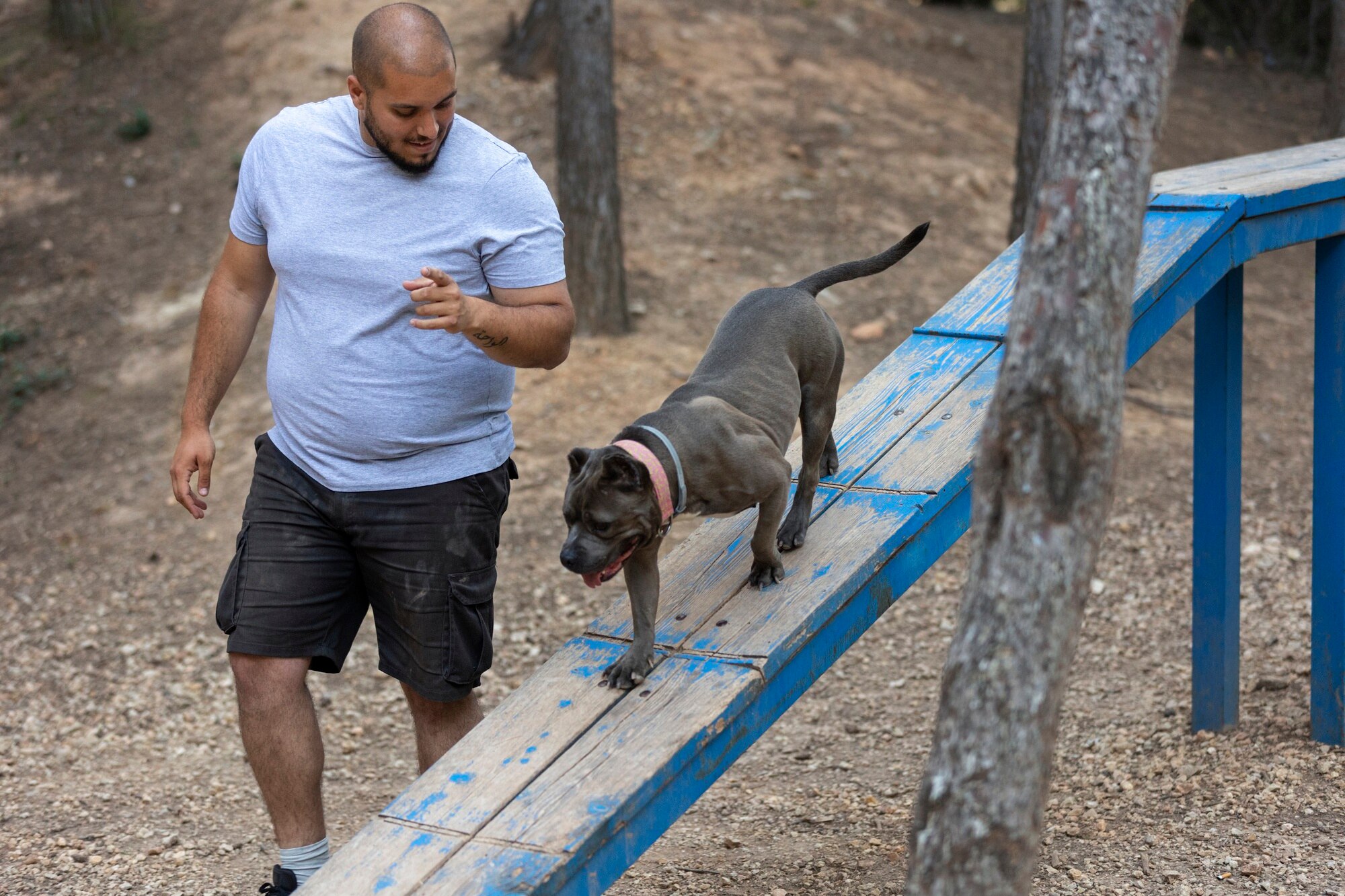
Dog training is one of the most important responsibilities of pet ownership, yet it is often misunderstood. Many people assume training is about control or discipline, but in reality, it is about communication. Dogs do not understand human language naturally. Instead, they learn through patterns, associations, and consequences. Every interaction teaches them something—whether intentional or not.
The foundation of all successful dog training is positive reinforcement. This method rewards desired behavior so the dog is motivated to repeat it. Rewards can include treats, praise, toys, or even access to enjoyable activities like walks or playtime. For example, when teaching a dog to sit, the moment the dog lowers its body into a sitting position, it should immediately receive a reward. Over time, the dog learns that sitting leads to something positive, and the behavior becomes more frequent and reliable.
Timing is one of the most critical aspects of training. Dogs live in the moment and connect rewards or corrections to what is happening right now—not what happened a minute ago. This means reinforcement must occur within seconds of the behavior. If the timing is off, the dog may associate the reward with the wrong action, leading to confusion and slower learning.
Consistency is equally important. Training only works when rules stay the same. If one person allows a dog to jump on the couch while another does not, the dog receives mixed messages. This inconsistency makes learning difficult and can lead to behavioral problems. Everyone in the household should use the same commands, tone, and expectations.
Basic obedience commands form the structure of dog behavior. The most essential include:
- Sit
- Stay
- Come
- Down
- Leave it
- Heel
Each command should be taught individually before combining them. For example, “sit” should be fully reliable before introducing “stay.” Breaking training into small, manageable steps prevents frustration for both the dog and the owner.
Training sessions should be short and frequent. Dogs, especially puppies, have limited attention spans. Sessions of 5–10 minutes are ideal. Multiple short sessions per day are more effective than one long session because they reinforce learning without causing mental fatigue.
The environment also plays a major role in training success. Early training should begin in a quiet, distraction-free area such as a living room or backyard. Once the dog reliably performs the behavior, distractions can gradually be added. This process is called proofing, and it ensures the dog can obey commands in real-world situations such as parks or busy streets.
It is important to understand that punishment-based training is outdated and often harmful. Yelling, physical corrections, or intimidation may stop behavior temporarily, but they do not teach the dog what to do instead. This can lead to fear, anxiety, and even aggression. Dogs trained with punishment often become less confident and less responsive over time.
Instead, redirection and reinforcement should be used. If a dog engages in unwanted behavior, the owner should redirect them to an acceptable alternative and reward that behavior instead. For example, if a dog is chewing furniture, giving them a chew toy teaches them what is appropriate to chew.
Leash manners, house training, and social behavior all stem from these basic principles. When a dog understands foundational commands and expectations, everyday life becomes easier and more enjoyable for both the dog and the owner.
In conclusion, basic dog training is not about dominance—it is about clarity, patience, and repetition. When owners communicate consistently and use positive reinforcement, dogs learn quickly and develop strong, trusting relationships with their humans. These fundamentals create the foundation for all future training, from simple obedience to advanced behavioral work.