
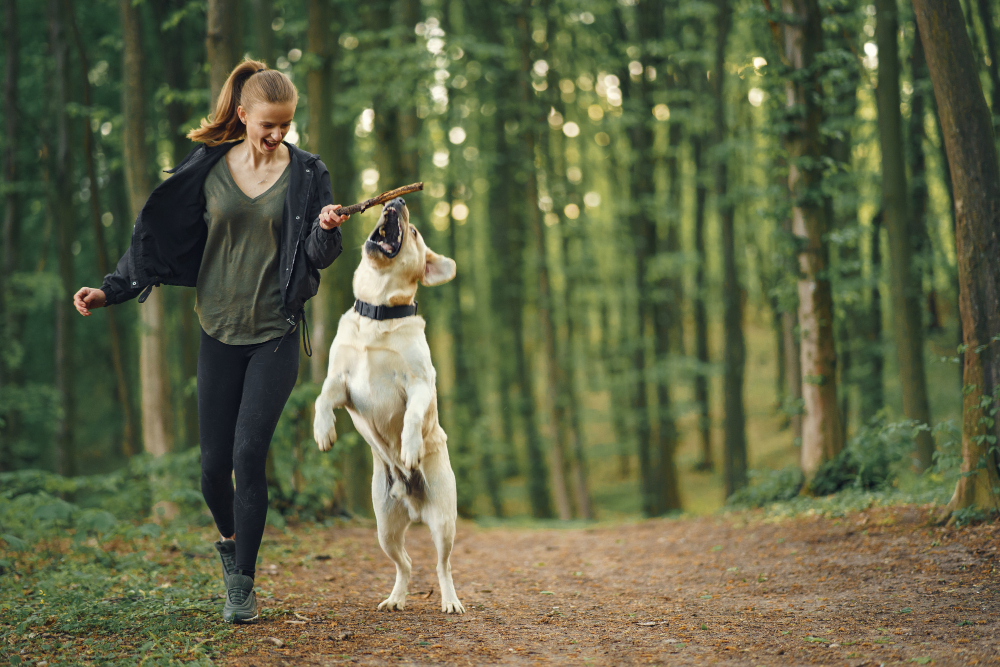
Exercise is one of the most important aspects of maintaining a dog’s physical and mental health. Just like humans, dogs need regular physical activity to stay fit, maintain a healthy weight, and prevent a variety of health problems. Exercise not only strengthens the body but also stimulates the mind, reduces stress, and improves overall quality of life. Dogs that receive adequate exercise tend to be happier, healthier, and less likely to develop behavioral issues.
Many dog owners understand that exercise is important, but they may not realize how much activity their dog actually needs. Different breeds, ages, and health conditions require different exercise routines. Understanding these needs can help owners provide the right level of activity and ensure their dogs live long, fulfilling lives.
Why Exercise Is Essential for Dogs
Exercise supports nearly every system in a dog’s body. Regular physical activity helps maintain healthy muscles, bones, joints, and cardiovascular function. It also helps regulate body weight and improves digestion.
Benefits of regular exercise include:
- Maintaining a healthy weight
- Strengthening muscles and joints
- Improving heart and lung health
- Supporting digestive function
- Enhancing mental stimulation
- Reducing stress and anxiety
- Improving sleep quality
- Strengthening the bond between dogs and owners
Dogs that do not receive enough exercise may become overweight, bored, frustrated, or anxious. These issues can contribute to numerous health and behavioral problems over time.
Understanding Your Dog’s Exercise Needs
Not all dogs require the same amount of exercise. Factors such as breed, age, size, and overall health influence how much activity a dog needs.
High-Energy Breeds
Some breeds were originally developed for herding, hunting, or working alongside humans. These dogs typically require substantial daily exercise.
Examples include:
- Border Collies
- Australian Shepherds
- Labrador Retrievers
- German Shepherds
- Siberian Huskies
These breeds often need one to two hours of activity each day. Without adequate exercise, they may become destructive or develop behavioral issues.
Moderate-Energy Breeds
Dogs such as Golden Retrievers, Boxers, and Cocker Spaniels generally require moderate amounts of exercise, including daily walks and play sessions.
Low-Energy Breeds
Breeds like Bulldogs, Basset Hounds, and some toy breeds may be satisfied with shorter walks and less intense activity. However, even low-energy dogs still need regular movement to maintain good health.
Exercise for Puppies
Puppies have different exercise requirements than adult dogs. Their bodies are still developing, and excessive exercise can place unnecessary stress on growing bones and joints.
Puppies benefit from:
- Short play sessions
- Gentle walks
- Basic training activities
- Supervised exploration
A common guideline is approximately five minutes of exercise per month of age, up to twice daily. For example, a four-month-old puppy may enjoy around twenty minutes of structured exercise at a time.
Play is especially important because it helps puppies develop coordination, confidence, and social skills.
Exercise for Senior Dogs
As dogs age, their exercise needs often change. Older dogs may experience arthritis, reduced stamina, and other age-related conditions that affect mobility.
However, senior dogs still need regular activity to maintain muscle mass and joint flexibility.
Suitable exercises for older dogs include:
- Gentle walks
- Swimming
- Light play sessions
- Controlled stretching activities
Regular movement can actually help reduce stiffness and improve overall comfort in aging dogs. Owners should monitor for signs of discomfort and consult a veterinarian when adjusting exercise routines.
The Importance of Walking
Walking is one of the simplest and most beneficial forms of exercise for dogs. Daily walks provide physical activity while also exposing dogs to new sights, sounds, and smells.
Benefits of walking include:
- Weight management
- Cardiovascular conditioning
- Mental stimulation
- Socialization opportunities
- Reduced boredom
Dogs often experience the world primarily through their sense of smell. Allowing them time to safely investigate their environment during walks provides valuable mental enrichment.
Interactive Play and Mental Stimulation
Physical exercise alone is not enough. Dogs also need activities that challenge their minds.
Examples include:
- Fetch
- Tug-of-war
- Puzzle toys
- Hide-and-seek
- Scent work games
- Obedience training
Mental stimulation helps prevent boredom and keeps dogs engaged. Many behavioral problems arise when intelligent dogs lack opportunities to use their natural abilities.
Training sessions are particularly effective because they combine physical activity with mental challenges.
Swimming as a Low-Impact Exercise
Swimming is an excellent exercise option for many dogs. It provides a full-body workout while placing minimal stress on joints.
Benefits of swimming include:
- Improved muscle strength
- Enhanced cardiovascular fitness
- Joint-friendly exercise
- Weight management support
Breeds such as Labrador Retrievers and Newfoundlands often enjoy swimming naturally. However, not all dogs are comfortable in water, and supervision is always necessary.
Preventing Obesity Through Exercise
Canine obesity has become a significant health concern worldwide. Overweight dogs face increased risks of:
- Diabetes
- Arthritis
- Heart disease
- Respiratory problems
- Reduced lifespan
Regular exercise is one of the most effective ways to prevent obesity. Combined with proper nutrition, physical activity helps maintain a healthy body condition and supports long-term wellness.
Owners should monitor weight regularly and adjust exercise levels as needed.
Recognizing Signs of Overexertion
While exercise is beneficial, excessive activity can be harmful. Dogs may become overexerted, especially in hot weather or during intense exercise sessions.
Warning signs include:
- Excessive panting
- Difficulty breathing
- Weakness
- Disorientation
- Excessive drooling
- Reluctance to continue moving
If any of these symptoms occur, exercise should stop immediately, and the dog should be moved to a cool environment with access to water.
Creating a Consistent Exercise Routine
Dogs thrive on routine. Establishing a regular exercise schedule helps ensure they receive consistent physical and mental stimulation.
A balanced weekly routine may include:
- Daily walks
- Interactive play sessions
- Training activities
- Occasional hiking or swimming
- Social interactions with other dogs
Consistency is more important than intensity. Even moderate daily exercise can provide significant health benefits over time.
Conclusion
Exercise is a cornerstone of canine health and well-being. It supports healthy weight management, strengthens muscles and joints, improves cardiovascular fitness, and promotes mental health. Whether through walking, running, swimming, playing, or training, regular activity helps dogs lead happier and healthier lives. By understanding their dog’s unique exercise needs and providing a consistent routine, owners can prevent many health problems while strengthening the bond they share with their beloved companions. A physically active dog is often a healthier, more content, and longer-living member of the family.