
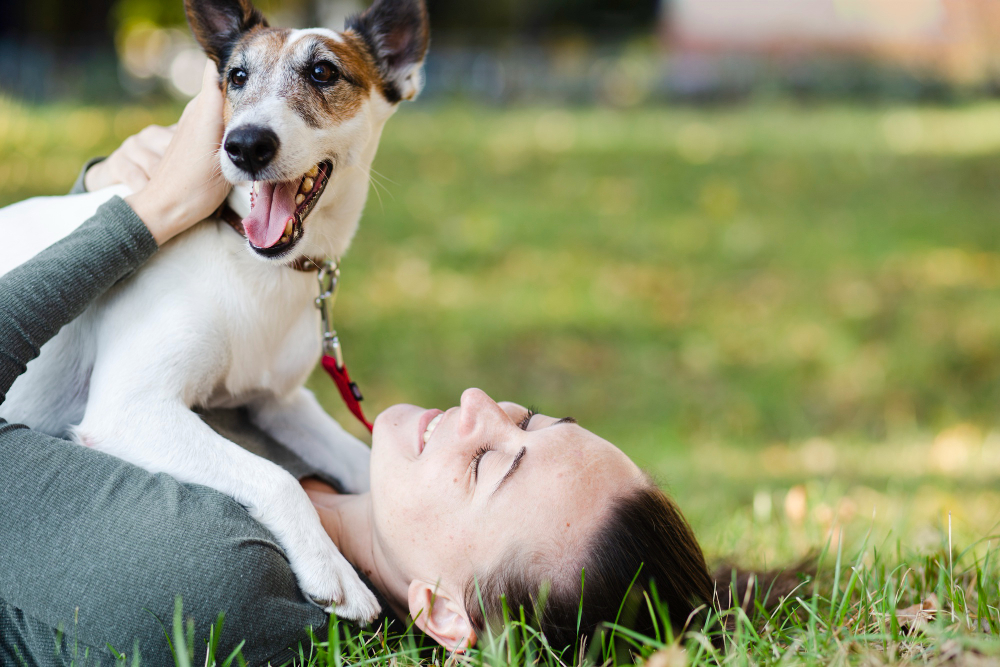
When people think about dog health, they often focus on physical wellness, including nutrition, exercise, vaccinations, and veterinary care. While these aspects are extremely important, mental health is equally vital to a dog’s overall well-being. Dogs are intelligent, emotional animals that can experience stress, anxiety, boredom, loneliness, and even depression-like symptoms. Maintaining good mental health helps dogs live happier, healthier lives and strengthens the bond they share with their owners.
A mentally healthy dog is generally more confident, adaptable, social, and well-behaved. By understanding canine emotional needs and providing proper mental stimulation, pet owners can significantly improve their dog’s quality of life.
Why Mental Health Matters
Mental health affects nearly every aspect of a dog’s behavior and physical condition. Chronic stress and anxiety can weaken the immune system, disrupt sleep patterns, reduce appetite, and contribute to behavioral problems.
Dogs with poor mental health may experience:
- Excessive barking
- Destructive chewing
- Aggression
- Fearfulness
- Withdrawal from social interaction
- House-training accidents
- Excessive licking or grooming
- Loss of appetite
Just as physical illnesses require treatment, emotional and psychological challenges should be addressed promptly to prevent long-term issues.
Understanding Canine Emotions
Research has shown that dogs experience a wide range of emotions. While they may not process feelings exactly like humans, they can experience:
- Happiness
- Excitement
- Fear
- Anxiety
- Frustration
- Affection
- Loneliness
Dogs form strong emotional attachments to their families and often depend on social interaction for emotional stability. Positive relationships and predictable routines contribute significantly to emotional well-being.
Signs of a Happy Dog
Recognizing signs of emotional wellness can help owners assess their dog’s mental health.
Common indicators of a happy dog include:
- Relaxed body language
- Healthy appetite
- Interest in play
- Curiosity about surroundings
- Comfortable social interactions
- Normal sleeping habits
- Willingness to learn and engage
Happy dogs often display relaxed ears, soft eyes, loose body posture, and a wagging tail. They typically show enthusiasm for daily activities and interactions with family members.
The Impact of Boredom
Boredom is one of the most common causes of behavioral problems in dogs. Highly intelligent breeds especially require regular mental stimulation to stay satisfied.
When dogs become bored, they may:
- Chew furniture
- Dig holes
- Bark excessively
- Destroy household items
- Seek attention through unwanted behaviors
These actions are often not signs of disobedience but rather attempts to relieve mental frustration.
Providing enrichment activities helps satisfy a dog’s natural curiosity and problem-solving instincts.
Mental Stimulation Activities
Keeping a dog’s mind active is just as important as providing physical exercise.
Effective mental enrichment activities include:
Puzzle Toys
Puzzle feeders and interactive toys encourage dogs to solve problems in order to obtain treats or food rewards. These activities engage the brain and provide valuable stimulation.
Training Sessions
Teaching new commands and tricks challenges dogs mentally while strengthening communication between dog and owner.
Examples include:
- Sit
- Stay
- Roll over
- Spin
- Fetch specific items
Even short training sessions can significantly improve mental engagement.
Scent Games
Dogs possess an extraordinary sense of smell. Hiding treats around the house or yard allows dogs to use their natural scent-tracking abilities.
Scent work provides:
- Mental stimulation
- Confidence building
- Stress reduction
- Problem-solving opportunities
Many dogs find scent-based activities highly rewarding.
Rotating Toys
Introducing different toys regularly helps maintain novelty and prevents boredom. Instead of providing all toys at once, owners can rotate selections every few days.
Socialization and Emotional Health
Socialization plays a crucial role in canine mental well-being. Proper socialization helps dogs feel comfortable around people, animals, and new environments.
Benefits of socialization include:
- Reduced fearfulness
- Improved confidence
- Better behavior
- Lower stress levels
- Increased adaptability
Puppies are particularly receptive to social experiences during their early developmental stages. However, socialization remains important throughout a dog’s life.
Positive experiences are key. Forced interactions can increase anxiety rather than reduce it.
Separation Anxiety
One of the most common mental health challenges in dogs is separation anxiety. This condition occurs when dogs become distressed when left alone.
Symptoms may include:
- Excessive barking
- Howling
- Destructive behavior
- Pacing
- Drooling
- Attempts to escape
- House-soiling
Dogs with separation anxiety are not being spiteful or disobedient. They are experiencing genuine emotional distress.
Strategies that may help include:
- Gradual desensitization to departures
- Interactive toys during absences
- Consistent routines
- Professional behavioral guidance when necessary
In severe cases, veterinary intervention may be recommended.
Stress and Anxiety in Dogs
Dogs can experience stress for many reasons, including:
- Loud noises
- Changes in routine
- Moving to a new home
- New family members
- Illness
- Lack of socialization
Chronic stress can negatively affect physical health by increasing inflammation and suppressing immune function.
Signs of anxiety may include:
- Trembling
- Panting
- Hiding
- Excessive licking
- Restlessness
- Loss of appetite
Identifying and addressing stressors early can prevent more serious behavioral problems from developing.
The Importance of Routine
Dogs often thrive on predictable schedules. Consistent routines help create a sense of security and stability.
A healthy daily routine may include:
- Regular feeding times
- Daily exercise
- Play sessions
- Training activities
- Rest periods
Predictability reduces uncertainty and can significantly decrease anxiety in many dogs.
The Human-Dog Bond
One of the most powerful influences on a dog’s mental health is its relationship with its owner. Positive interactions build trust, confidence, and emotional security.
Ways to strengthen the bond include:
- Spending quality time together
- Positive reinforcement training
- Gentle physical affection
- Interactive play
- Consistent communication
Dogs that feel safe and connected to their families often display greater emotional resilience.
Conclusion
Mental health is a critical yet often overlooked component of canine wellness. Dogs need more than food, shelter, and exercise to thrive; they also require emotional support, mental stimulation, social interaction, and a sense of security. By recognizing signs of stress, preventing boredom, encouraging socialization, and maintaining strong bonds with their pets, owners can promote lifelong emotional well-being. A mentally healthy dog is more likely to be confident, well-behaved, and physically healthy, making mental care an essential part of responsible pet ownership. Through patience, understanding, and consistent attention, pet owners can help their dogs enjoy happy and fulfilling lives.