
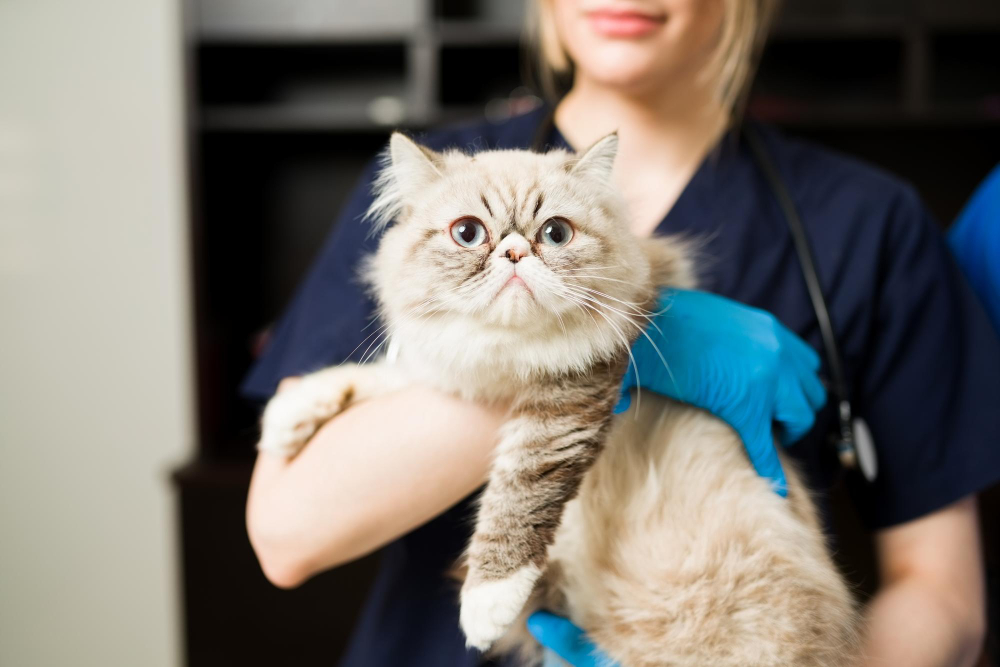
Cats are among the most popular pets in the world, known for their independence, intelligence, and affectionate nature. While cats are often viewed as low-maintenance companions, they still require proper care to remain healthy and happy throughout their lives. Good health is not simply the absence of disease; it involves proper nutrition, preventive healthcare, physical activity, mental stimulation, and a safe environment. Understanding the key aspects of feline health can help cat owners provide the best possible life for their beloved pets.
The Foundation of Cat Health: Proper Nutrition
Nutrition is one of the most important factors influencing a cat’s overall health. Unlike dogs, cats are obligate carnivores, meaning they require nutrients found primarily in animal-based proteins. Their bodies are specifically designed to process meat, and they have unique dietary requirements that must be met through a balanced diet.
A healthy cat diet should contain:
- High-quality animal protein
- Healthy fats
- Essential vitamins and minerals
- Adequate moisture
- Limited carbohydrates
Protein supports muscle growth, tissue repair, and immune system function. Cats also require taurine, an essential amino acid found in animal tissues. A deficiency in taurine can lead to serious health problems, including heart disease and vision loss.
Fresh water should always be available. Many cats naturally drink less water than they need, which can increase the risk of urinary tract and kidney problems. Wet food can help increase moisture intake and support urinary health.
Maintaining a Healthy Weight
Obesity is one of the most common health problems affecting domestic cats. Indoor cats are particularly vulnerable because they often have fewer opportunities for physical activity.
Excess weight increases the risk of:
- Diabetes
- Arthritis
- Heart disease
- Liver disease
- Reduced mobility
- Shortened lifespan
Owners should monitor their cat’s weight regularly and avoid overfeeding. Treats should be given in moderation, and portion sizes should be adjusted based on age, activity level, and overall health.
A healthy cat typically has a visible waistline when viewed from above and ribs that can be felt without excessive fat covering them.
The Importance of Regular Veterinary Care
Preventive veterinary care is essential for maintaining feline health. Many diseases can be detected early through routine examinations before symptoms become severe.
Annual veterinary visits often include:
- Physical examinations
- Vaccinations
- Dental assessments
- Parasite screenings
- Weight evaluations
- Blood tests when needed
Vaccinations protect cats from serious diseases such as feline panleukopenia, calicivirus, herpesvirus, and rabies. Indoor cats may also require certain vaccinations depending on their lifestyle and risk factors.
Regular checkups allow veterinarians to identify health concerns early, improving treatment outcomes and reducing long-term complications.
Dental Health and Oral Care
Dental disease is extremely common in cats, especially as they age. Plaque and tartar buildup can lead to gum inflammation, infections, tooth loss, and chronic pain.
Signs of dental problems include:
- Bad breath
- Difficulty eating
- Drooling
- Red or swollen gums
- Pawing at the mouth
- Reduced appetite
Dental disease can also affect other organs when bacteria enter the bloodstream. Regular dental care, including tooth brushing, dental treats, and professional cleanings, can significantly improve a cat’s oral health.
Exercise and Physical Activity
Although cats are known for sleeping many hours each day, they still require regular physical activity. Exercise helps maintain muscle tone, prevent obesity, and provide mental stimulation.
Activities that encourage exercise include:
- Interactive toys
- Feather wands
- Laser pointers
- Climbing trees
- Puzzle feeders
- Chasing games
Short play sessions several times per day can help indoor cats stay physically active. Exercise also helps reduce boredom and behavioral problems.
Mental Stimulation and Emotional Well-Being
Mental health is just as important as physical health for cats. Cats are naturally curious animals that need opportunities to explore, hunt, and interact with their environment.
Signs of boredom may include:
- Excessive sleeping
- Overeating
- Destructive scratching
- Aggression
- Excessive grooming
Providing environmental enrichment can improve mental well-being. Cat trees, window perches, puzzle toys, scratching posts, and interactive play all help stimulate a cat’s mind.
Many cats also benefit from having safe places to climb and observe their surroundings, which satisfies natural instincts.
Common Signs of Illness in Cats
Cats are experts at hiding illness, making it important for owners to watch for subtle changes in behavior and appearance.
Warning signs include:
- Loss of appetite
- Weight loss
- Vomiting
- Diarrhea
- Increased thirst
- Changes in litter box habits
- Difficulty breathing
- Lethargy
- Changes in grooming habits
Any persistent symptoms should be evaluated by a veterinarian promptly. Early diagnosis often leads to more effective treatment.
Creating a Safe Environment
A safe home environment plays a major role in maintaining feline health. Many household items can be dangerous to cats.
Potential hazards include:
- Toxic plants
- Human medications
- Cleaning products
- Electrical cords
- Small objects that can be swallowed
Keeping cats indoors or providing supervised outdoor access can also reduce risks associated with traffic, predators, infectious diseases, and injuries.
The Benefits of Preventive Healthcare
Preventive healthcare is one of the best investments owners can make in their cat’s well-being. Proper nutrition, routine veterinary care, regular exercise, mental stimulation, and a safe environment work together to prevent many common diseases.
Cats that receive consistent preventive care often enjoy:
- Longer lifespans
- Better mobility
- Stronger immune systems
- Improved quality of life
- Reduced risk of chronic disease
Conclusion
Maintaining a cat’s health requires attention to both physical and emotional needs. Proper nutrition, weight management, preventive veterinary care, dental hygiene, exercise, and mental stimulation all contribute to a healthy and fulfilling life. By understanding these essential aspects of feline care, owners can help their cats thrive at every stage of life. A proactive approach to health not only prevents illness but also strengthens the special bond between cats and their human companions, ensuring many years of happiness and companionship together.