
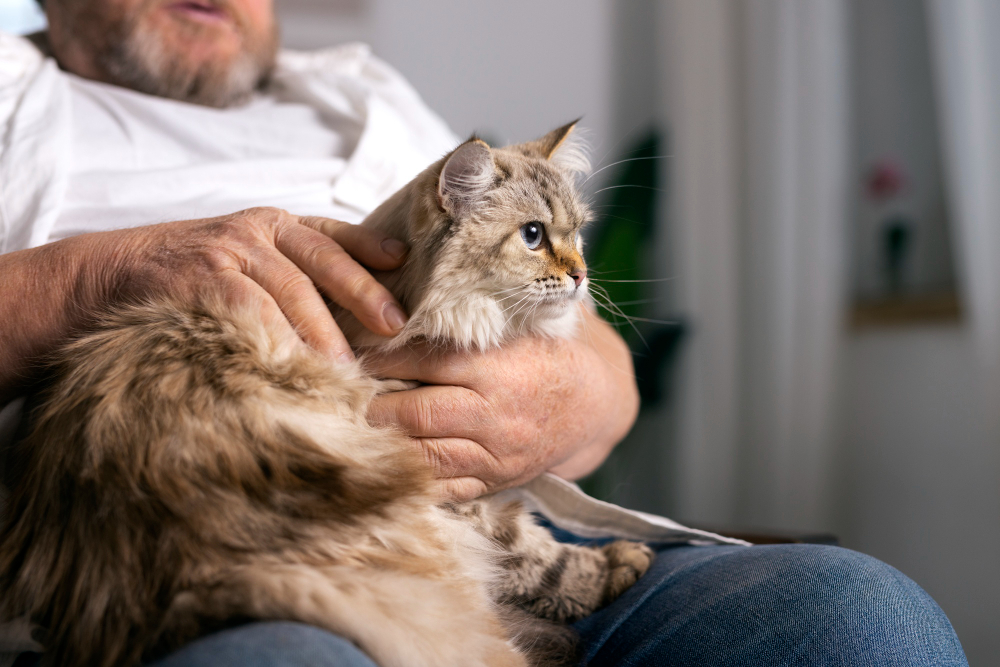
Senior Cat Health Care: Helping Your Aging Feline Live a Longer, Healthier Life
As cats grow older, their health needs change significantly. Advances in veterinary medicine, nutrition, and pet care have enabled many cats to live well into their teens and even their twenties. Generally, cats are considered seniors once they reach around 10 years of age, although some age-related changes may begin earlier. Providing appropriate care during a cat’s senior years can improve both lifespan and quality of life.
Understanding the Aging Process
Just like humans, cats experience physical and metabolic changes as they age. Their metabolism may slow down, muscle mass can decrease, joints may become less flexible, and their immune systems may not function as efficiently as before. These changes can make senior cats more vulnerable to chronic illnesses and infections.
Aging itself is not a disease, but it increases the risk of developing health conditions that require monitoring and treatment. By understanding what is normal and what may indicate a health problem, cat owners can better support their aging companions.
Regular Veterinary Examinations
One of the most important aspects of senior cat care is frequent veterinary checkups. While younger adult cats may only need annual visits, senior cats often benefit from examinations every six months.
Routine veterinary visits can help detect conditions before they become severe. Blood tests, urine analysis, blood pressure monitoring, and weight checks allow veterinarians to identify early signs of disease.
Common age-related conditions include:
- Chronic kidney disease
- Hyperthyroidism
- Diabetes mellitus
- Arthritis
- Dental disease
- Heart disease
- Cancer
Early diagnosis often leads to more effective treatment and improved outcomes.
Proper Nutrition for Senior Cats
Nutrition plays a crucial role in maintaining health during a cat’s senior years. Older cats may have different dietary requirements than younger adults.
Senior cats often need highly digestible protein sources to help maintain muscle mass. Some may require specialized diets designed to support kidney function, joint health, or weight management.
It is important to monitor food intake carefully. While some senior cats gain weight due to reduced activity levels, others lose weight because of underlying health conditions or decreased appetite.
Owners should ensure that fresh water is always available. Many senior cats are prone to dehydration, particularly those with kidney disease. Wet food can help increase daily water consumption and support urinary tract health.
Managing Weight and Mobility
Maintaining a healthy body weight is essential for senior cats. Excess weight places additional stress on joints and organs, while being underweight can indicate illness and reduced muscle mass.
Regular exercise remains important even as cats age. Gentle play sessions encourage movement, stimulate the mind, and help preserve muscle tone.
Many senior cats develop arthritis, which can cause pain and reduced mobility. Signs of arthritis include:
- Difficulty jumping
- Reluctance to climb stairs
- Stiff movements
- Reduced activity
- Changes in grooming habits
Providing ramps, soft bedding, and easily accessible litter boxes can make daily life more comfortable for arthritic cats.
Dental Health in Older Cats
Dental disease is extremely common among senior cats and can significantly affect their quality of life. Problems such as gingivitis, periodontal disease, and tooth resorption can cause pain and difficulty eating.
Common signs of dental disease include:
- Bad breath
- Drooling
- Difficulty chewing
- Pawing at the mouth
- Loss of appetite
Regular dental examinations and professional cleanings can help prevent serious complications. Some cats also benefit from dental diets, treats, and at-home tooth brushing when tolerated.
Monitoring Behavioral Changes
Changes in behavior can sometimes be the first indication of illness in senior cats. Owners should pay attention to any unusual habits or personality changes.
Warning signs include:
- Increased vocalization
- Confusion or disorientation
- Changes in sleep patterns
- Litter box accidents
- Increased aggression or withdrawal
- Reduced interaction with family members
Some senior cats may develop cognitive dysfunction syndrome, a condition similar to dementia in humans. Early intervention and environmental enrichment may help manage symptoms.
Creating a Comfortable Environment
A senior cat’s environment should be adapted to meet changing physical needs. Comfort and accessibility become increasingly important as mobility declines.
Helpful adjustments include:
- Soft, warm bedding
- Easily accessible food and water bowls
- Low-entry litter boxes
- Ramps or steps to favorite resting places
- Non-slip flooring surfaces
- Quiet resting areas away from household stress
These simple modifications can greatly improve comfort and independence.
Mental Stimulation and Emotional Well-Being
Mental health remains important throughout a cat’s life. Interactive toys, puzzle feeders, and gentle play sessions help keep senior cats mentally engaged.
Many older cats enjoy predictable routines. Consistent feeding times, familiar surroundings, and regular interaction with family members can reduce stress and provide emotional security.
Spending quality time with your cat through grooming, petting, and play helps strengthen the bond between pet and owner while supporting emotional well-being.
Conclusion
Senior cats require specialized care to maintain their health and happiness. Regular veterinary visits, proper nutrition, weight management, dental care, mental stimulation, and a comfortable living environment all contribute to successful aging. By paying close attention to changes in behavior and physical condition, cat owners can identify health problems early and provide appropriate support. With attentive care and preventive health measures, senior cats can enjoy many comfortable and rewarding years with their families.