
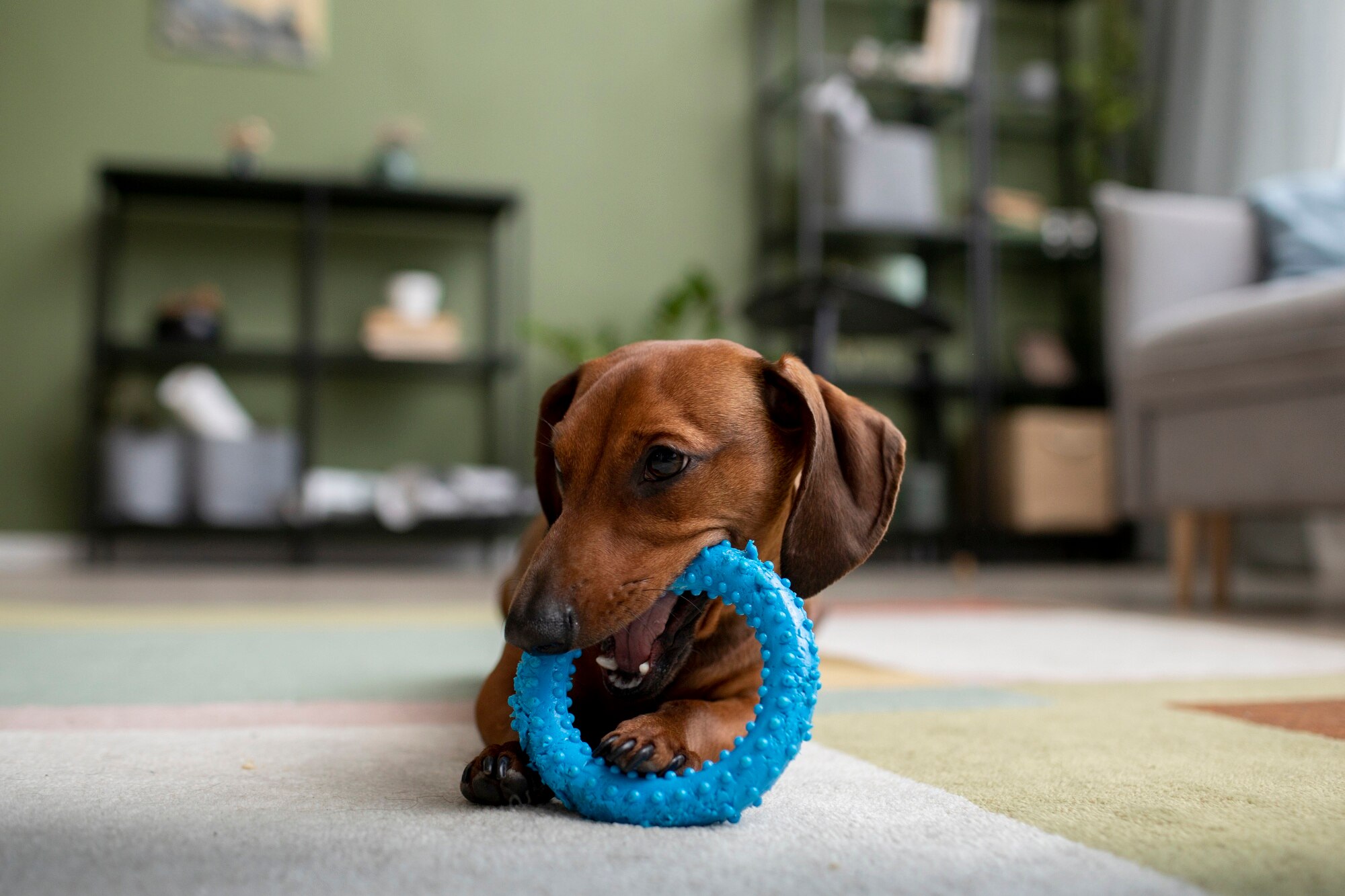
Puppy training is one of the most important stages in a dog’s life because it sets the foundation for all future behavior. The early weeks and months are a period of rapid learning, where puppies absorb experiences, habits, and emotional responses that can last a lifetime. During this time, owners have a unique opportunity to shape a dog into a confident, well-behaved adult.
One of the most critical concepts in puppy development is the socialization window, which typically occurs between 8 and 16 weeks of age. During this stage, puppies are especially receptive to new experiences. Positive exposure to people, animals, environments, sounds, and objects helps prevent fear-based behaviors later in life. For example, a puppy that is gently introduced to traffic noise, vacuum cleaners, children, and other dogs is less likely to develop anxiety or aggression as an adult. However, these experiences must be controlled, gradual, and positive. Overwhelming a puppy can have the opposite effect and create fear instead of confidence.
House training is usually one of the first challenges new owners face. Puppies have small bladders and limited control, so frequent bathroom breaks are necessary. A general rule is to take the puppy outside after sleeping, eating, drinking, or playing. When the puppy eliminates in the correct location, immediate praise or a small reward reinforces the behavior. Timing is crucial because the puppy must connect the reward with the correct action. Accidents indoors should be handled calmly without punishment, as scolding often leads to fear and does not teach the desired behavior. Instead, consistent supervision and routine help the puppy learn where and when to go.
Crate training is another essential part of early development. When introduced properly, a crate becomes a safe and comfortable space for the puppy rather than a form of punishment. Dogs are naturally den animals, so a properly sized crate can provide security and help with structure. Crates also assist with house training because dogs instinctively avoid soiling their sleeping area. However, crate time should be balanced with exercise, interaction, and play. Puppies should never be left in crates for excessive periods.
Bite inhibition is another important lesson during puppyhood. Puppies naturally explore the world using their mouths, and gentle mouthing is a normal behavior. However, they must learn how to control bite pressure. During play, if a puppy bites too hard, the interaction should stop immediately. This teaches the puppy that rough play leads to loss of attention. Over time, they learn to soften their bite. This skill is extremely important for safe interactions as the dog grows larger and stronger.
Basic obedience training should begin early, even if sessions are short and simple. Commands like “sit,” “come,” and “stay” help establish communication between the owner and the puppy. Training should be playful and rewarding rather than strict. Puppies learn best when they are engaged and having fun. Short training sessions of 5–10 minutes, repeated several times a day, are far more effective than long, tiring sessions.
Social interaction is equally important. Puppies should meet a variety of people, including children, adults, and individuals wearing hats, glasses, or uniforms. They should also meet vaccinated, friendly dogs in safe environments. These experiences help puppies develop confidence and reduce fear later in life. However, interactions should always be positive. Forcing a puppy into uncomfortable situations can damage trust and increase anxiety.
Routine plays a major role in puppy development. Predictable schedules for feeding, playtime, training, and rest help puppies feel secure. When dogs understand what to expect throughout the day, they are less likely to develop stress-related behaviors.
In conclusion, puppy training is about shaping behavior early through consistency, patience, and positive experiences. The habits formed during this stage often last a lifetime. By focusing on socialization, house training, bite control, and basic obedience, owners can raise confident and well-adjusted adult dogs who are easier to train and more enjoyable to live with.